







Search Results for: coffee growing regions

Kenya Thika Region Coffee: A Comprehensive Analysis of Growing Environment, History, Flavor Profile, and Grading System
Kenyan coffee is renowned for its clean and refreshing taste, substantial body, and bright fruit acidity, making it a classic region sought after by specialty coffee enthusiasts. This article starts from the Kiambu region where Thika is located, systematically outlining the growing conditions, historical context, distribution of the top ten producing regions, official grading system, and unique washed fermentation processes of Kenyan coffee. It also shares the brewing parameters for Front Street Coffee's Kenya Asalia, providing a comprehensive understanding of this East African coffee powerhouse from the colonial period to the specialty era. [more…]
Kenya Thika Region Coffee: A Detailed Guide to Growing Conditions, History, Flavor Characteristics, and Grading System
Kenyan coffee is famous for its clean, refreshing taste and bright fruit acidity, and is a classic origin in the minds of many coffee lovers. Starting from the Kiambu region, where Thika is located, this article systematically reviews the growing conditions, historical development, distribution of the top ten producing regions, and the official grading system of Kenyan coffee, and further analyzes how the K72 washed processing shapes its signature flavor. The article also uses Front Street Coffee's Kenyan Little Tomato as an example to share specific pour-over parameters and brewing steps, helping readers gain a comprehensive understanding of the coffee charm of this East African producing country. [more…]

A Complete Guide to Guatemalan Coffee Regions: Flavor Differences Between Antigua and Huehuetenango and Buying Advice
Guatemala is an important specialty coffee-producing country in Latin America, known for its bright fruit acidity and distinctive smoky note, and is called "cigarette coffee" by coffee lovers. This article systematically reviews Guatemala's coffee-growing history, the flavor characteristics of its eight major regions, grading standards, processing methods, and main varieties, with a key comparison of the differences between the two well-known regions of Antigua and Huehuetenango. It also introduces Front Street Coffee's Guatemala Huehuetenango staple beans and Antigua La Flor coffee beans currently on sale, with roasting curves and brewing parameters, providing a reference for coffee fans when purchasing and brewing. [more…]
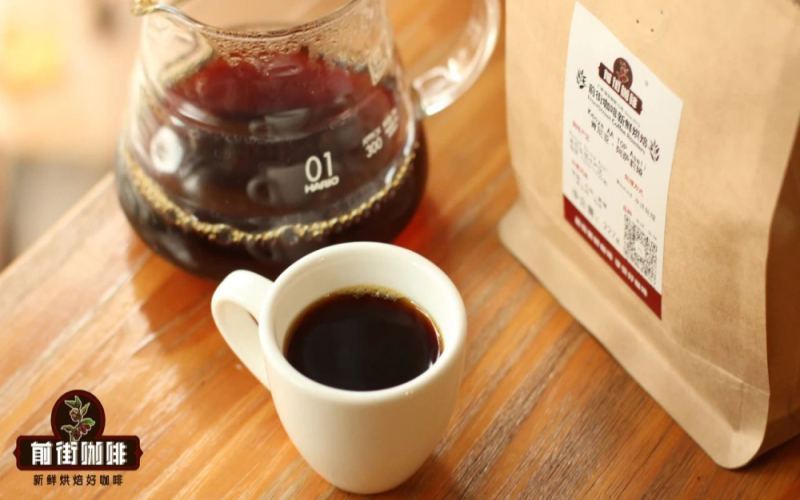
Why Does Kenyan AA Coffee Have a Tomato Flavor? A Comprehensive Analysis of Producing Regions, Grading, and Brewing Key Points
Kenya AA coffee is renowned for its bright fruit acidity and distinctive tomato-like flavor, making it one of the most recognizable presences in specialty coffee. This article systematically analyzes the origins of Kenyan coffee's flavor, from growing conditions and historical context to the top ten producing regions, the official grading system, and the K72 washed processing method. The baristas at Front Street Coffee combine cupping and pour-over practice with Kenyan Asaliya beans to share specific parameters and brewing techniques, helping enthusiasts understand this "most acidic coffee's" clean mouthfeel and its layers reminiscent of smoked plum and cherry tomato—ideal for readers who want to delve deeper into Kenyan coffee. [more…]
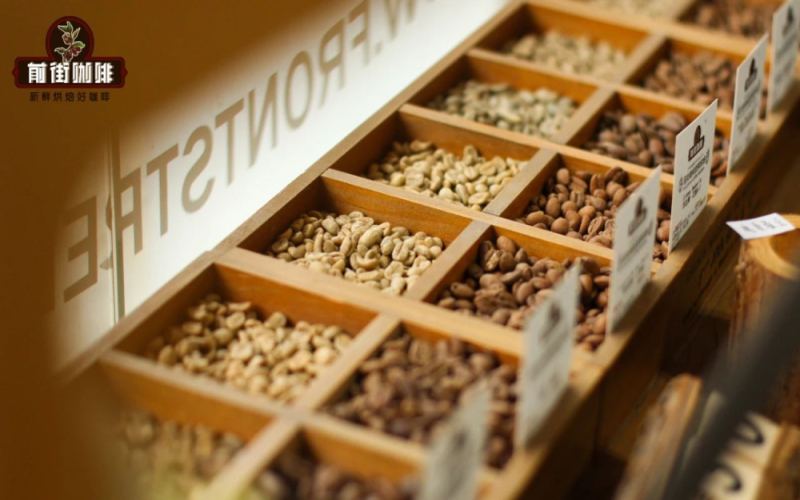
A Complete Guide to Kenyan AA Coffee Pour-Over Parameters: Growing Region History, Grading Standards, and Brewing Flavor Characteristics
Kenya coffee is renowned for its clean, crisp mouthfeel and bright fruit acidity, and is widely recognized in the specialty coffee world as the representative of acidity. From the perspective of Front Street Coffee, this article systematically reviews Kenya's growing conditions and historical context, introduces the ten major producing regions one by one, including Nyeri, Murang'a, and Kirinyaga, and explains in detail how Kenya's official bean grading system and the K72 washed processing method shape its flavor. Finally, using Front Street Kenya Asalia as an example, it provides the dripper selection, water temperature range, grind assessment, and three-stage pouring plan for hand-brewing light-roast beans, helping coffee enthusiasts consistently brew layers reminiscent of smoked plum, cherry tomato, and yellow sugar. [more…]

Analysis of Flavor Differences Between Colombian and Brazilian Coffee Beans: Growing Regions, Grading Characteristics, and Taste Comparison
Colombia and Brazil are both pillars of the Central and South American coffee-growing regions, yet the two countries differ considerably in their growing conditions, flavor profiles, and market positioning. Colombia, with its dual ocean ports on the Atlantic and Pacific, its three Cordillera mountain ranges creating microclimates, and its high-altitude volcanic ash soils, produces Arabica coffees with bright acidity and refined flavors. Brazil, by contrast, with its flat terrain, lower elevations, and Bourbon varieties as its foundation, offers a balanced cup with notes of nuts and chocolate and a heavy body. This article systematically compares the differences between the coffee beans of the two countries from the perspectives of growing region distribution, cultivation environment, varieties and processing, and cupping flavors, and concludes with specific bean recommendations from Front Street Coffee. [more…]
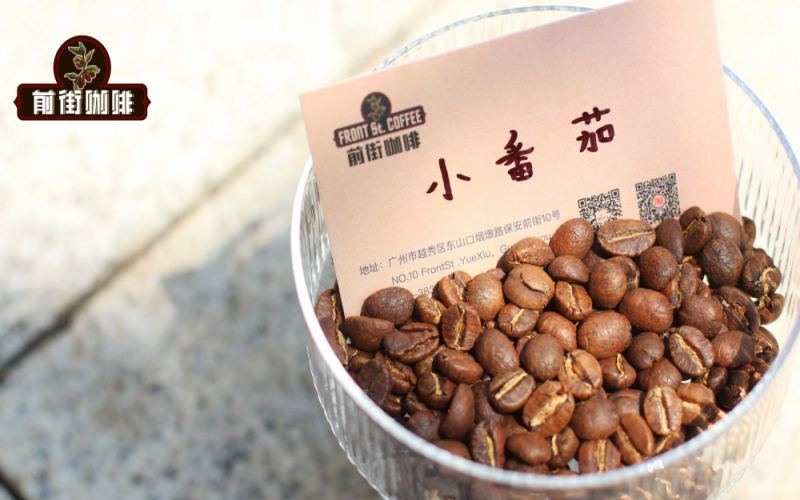
Kenyan Coffee Origin Story and Flavor Analysis: From Planting History to the AA Grading System
Kenyan coffee is renowned for its clean, crisp cup and bright fruity acidity, making it a favorite among many specialty coffee enthusiasts. From the perspective of Front Street Coffee, this article systematically sorts through Kenya's coffee-growing conditions, historical context, distribution of its ten major producing regions, and unique grading system, while also providing an in-depth analysis of the factors behind its flavor. The article also includes Front Street's Kenyan Little Tomato brewing parameters to help readers gain a comprehensive understanding of the appeal of this East African coffee-producing country. [more…]
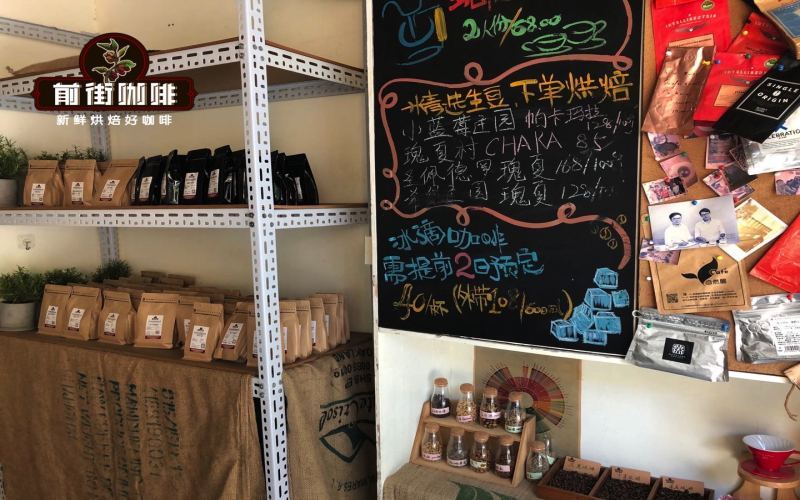
Where Does the Sour Taste of Kenyan Coffee Come From? A Full Analysis of the AA, AB, and PB Grading System and the Flavors of the Ten Major Producing Regions
Kenyan coffee is renowned for its clean, crisp cup profile and bright fruit acidity, making it one of the most recognizable African beans in the minds of many coffee enthusiasts. Why is Kenyan coffee so acidic? This is inextricably linked to its high-altitude growing environment, volcanic soil, and unique washed processing method. This article will systematically outline the growing conditions and historical context of Kenyan coffee, introduce the ten major producing regions including Nyeri, Murang'a, and Kirinyaga one by one, provide a detailed explanation of the official grading standards such as AA, AB, and PB based on bean size, and analyze the causes of its signature acidity. At the end of the article, Front Street Coffee's pour-over parameters for Kenyan Asaliya are shared for practical reference. [more…]
Analysis of Coffee Growing Regions in Ecuador: Which Representative Estates Are There in Chimborazo Province?
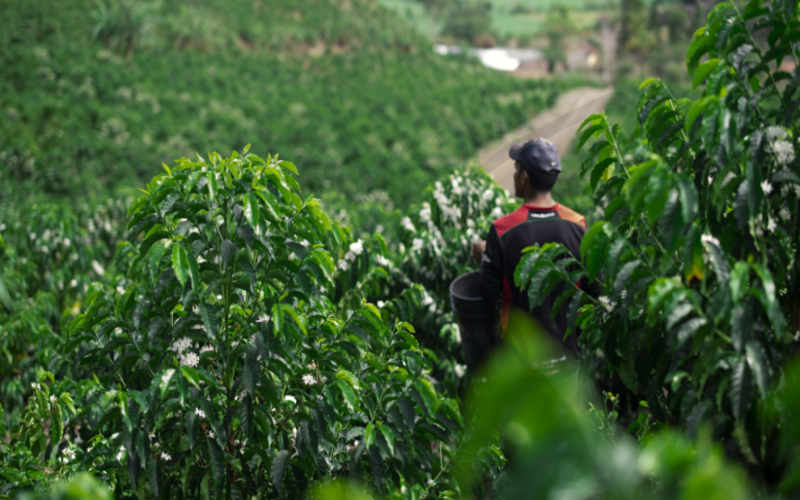
Along the Andes Mountains in western South America, volcanic ash soils and a mild, humid climate have given rise to many major coffee-producing nations. Although Ecuador's output is less than that of Brazil and Colombia, its unique terroir has helped it gradually emerge onto the scene. The country's specialty coffee is mainly concentrated in the mid-mountain zones of the Andes, forming two major distribution patterns, north and south. Among these, Pichincha Province and Loja Province have long enjoyed high recognition, while Chimborazo Province has also begun to attract attention in recent years. This article will review Ecuador's coffee-growing history and geographical advantages, focus on the characteristics of Chimborazo Province's production areas, and introduce the province's most representative estate, Loma Pata, taking readers through the coffee map of this "Equatorial Country." [more…]
The Chinese Brand Path of Yunnan Small-Bean Coffee: Arabica Bean Selection and a Complete Guide to Front Street Coffee Brewing
Yunnan small-bean coffee has performed impressively in international competitions and flavor evaluations in recent years, injecting strong momentum into China's coffee industry. Starting from variety definitions, producing regions, and historical changes, this article sorts out the development of Yunnan Arabica coffee, and focuses on Front Street Coffee's experimental exploration of growing Typica and Bourbon in Lincang. The article also recommends three Yunnan beans currently sold by Front Street Coffee—sun-dried Typica, Baoshan washed Catimor, and fully red cherry sun-dried Catimor—and includes V60 brewing parameters and specific techniques to help enthusiasts present the nut, caramel, and plum flavors unique to the Yunnan producing region at home. [more…]
Panama Coffee Beans | Why Can Panama Become a Top Coffee-Producing Region? What Are the Growing Conditions of the Boquete Region? Which Coffee Varieties Does Panama Grow?
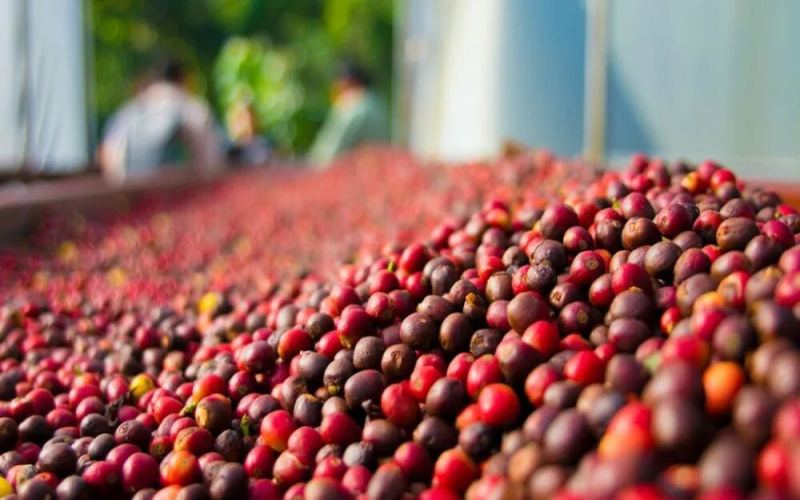
Panama is a Central American country, bordered by Costa Rica to the west and Colombia to the east. Friends who know something about single-origin coffee should all know that Panamanian coffee is famous in the coffee world for the Geisha from Hacienda La Esmeralda. Ever since the Geisha from Hacienda La Esmeralda won the BOP championship in 2004, Pana [more…]
A Comprehensive Analysis of Suitable Regions for Coffee Tree Cultivation and the Growing Conditions for Specialty Coffee
The coffee tree is an evergreen plant belonging to the Rubiaceae family, and what we commonly call coffee beans are actually the seeds of its fruit. Climate is the core factor determining coffee cultivation. Coffee trees are only suitable for growing in tropical and subtropical regions, and the "Coffee Belt" between 25 degrees north and south latitude is their main planting area. However, being located within this region does not mean that high-quality coffee can be produced everywhere; conditions such as temperature, rainfall, soil fertility, sunlight intensity, and altitude must all match strictly. This article will provide a detailed overview of the most ideal growing environment for coffee trees and introduce a herbaceous coffee that can be cultivated in most parts of China, while also retaining related recommendations from the Front Street brand. [more…]
An In-Depth Analysis of Kenyan AA Coffee: Origin Terroir, Grading System, and the Causes of Its Bright Fruit Acidity
On the African continent, beyond Ethiopia, Kenya is equally a presence that cannot be overlooked in the specialty coffee landscape. Anyone who has come into contact with specialty coffee, after experiencing how remarkably vivid coffee acidity can be, will almost always ask the same question: where does the coffee with the most prominent acidity come from? The brewers at Front Street Coffee often point to Kenya in their answer. Kenyan coffee is renowned for its clean and translucent cup, full and rounded body, and highly recognizable fruity acidity, conquering the taste buds of countless coffee lovers. This article will systematically review Kenya's coffee-growing terroir, historical evolution, characteristics of the top ten producing regions, and official grading standards. Using the washed fermentation process as an entry point, it will explain the reasons behind the formation of its signature flavors, and finally include the specific brewing recipe for Front Street Kenya Azalea for reference. [more…]
Kenya AA TOP Pour-Over Details and Flavor Origins: A Complete Guide from Regional Grading to Front Street Coffee Brewing Parameters
Kenyan coffee has always been celebrated for its clean, translucent, and intensely juicy acidity, and AATOP is among the most sought-after grades. Drawing on the experience of Front Street baristas, this article systematically covers Kenya's growing terroir, historical context, ten major producing regions, official grading standards, and explains why its washed fermentation process creates the signature bright fruit acidity. Finally, using Front Street Kenya Asalia as an example, it provides drip filter choices, water temperature ranges, grind assessment, and a three-pour brewing scheme for light-roast pour-over, helping enthusiasts recreate at home a cup of Kenyan coffee with solid sweet-tart balance and a tea-like finish. [more…]
How are Kenya's coffee-growing regions divided? What makes the producing area at the foot of Mount Elgon in the west unique?
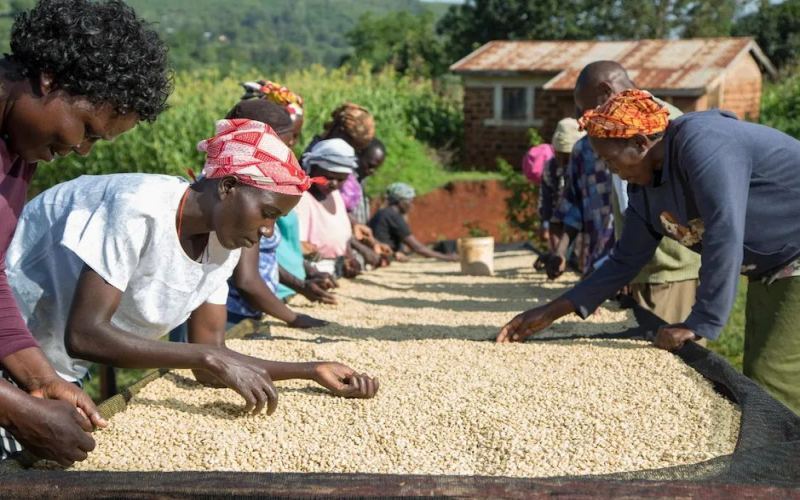
Kenyan coffee is renowned in the specialty coffee world for its layered fruity aromas and full, juicy body. This country in eastern Africa, with its high-altitude mountains, volcanic soil, and tropical monsoon climate, provides exceptional natural conditions for coffee cultivation. Kenya's coffee-growing regions are mainly divided into three major blocks: the Central Region, the East African Rift Valley Region, and the Western Region. Among them, the Western Region is represented by three major producing areas—Elgon, Trans-Nzoia, and Bungoma—at the foot of Mount Elgon, whose coffees feature bright acidity, citrus fruit flavors, and a rich body. This article will guide you through the overall distribution of Kenya's coffee-producing regions and take a closer look at the terroir characteristics of the Western Region. [more…]
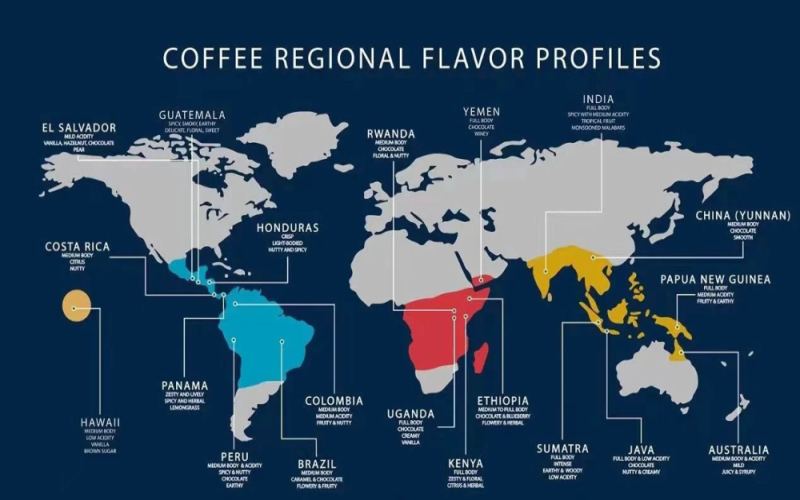
Analysis of the Global Coffee Golden Belt: A Discussion of Suitable Coffee-Growing Regions and the Conditions of Yunnan's Producing Areas
Coffee trees are quite particular about their growing environment, and not just any piece of land can successfully cultivate them. Within the zone between 25° south latitude and 25° north latitude on Earth, where temperatures are moderate, there is no threat of frost, and annual rainfall is sufficient, lies what is recognized as the coffee "Golden Belt." Currently, 79 countries and regions around the world are engaged in coffee cultivation and production, and Yunnan, China, is among them. Due to differences in terroir such as latitude, altitude, soil, sunlight, temperature, and humidity, each region nurtures distinctly different coffee flavors. The taste and mouthfeel of coffee beans are about 70% determined by varietal genetics, while the remaining 30% comes from the ecological conditions of where they are grown. The following article will sort out in detail the distribution logic of the Golden Belt and answer whether Yunnan is a region suitable for coffee cultivation. [more…]
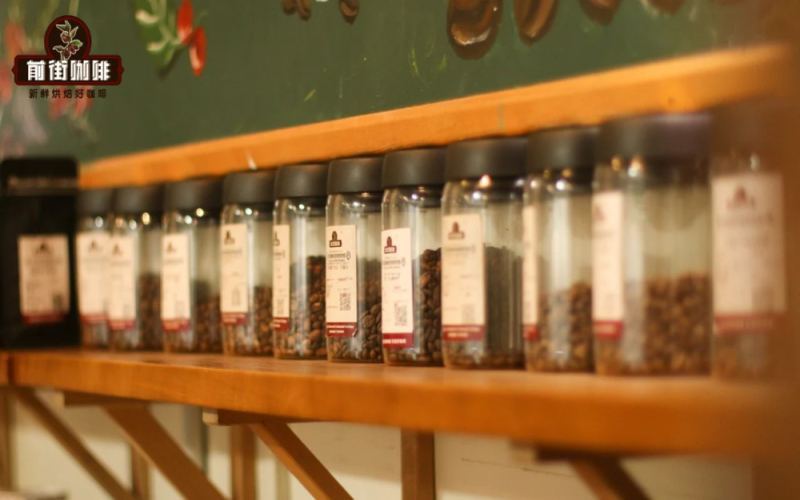
Guatemalan Coffee Flavor and Origins Explained: Why Antigua La Flor's Smoky Acidity Is So Captivating
Guatemalan coffee has long been renowned for its bright fruit acidity and distinctive smoky aroma, standing out uniquely among Latin American producing regions. From the perspective of Front Street Coffee, this article systematically reviews the cultivation history of Guatemalan coffee, the flavor differences among the eight major producing regions, high-altitude growing conditions, hardness grading standards, washed and natural processing procedures, as well as the characteristics of main varieties such as Bourbon, Typica, Caturra, and Catuai. The article also provides detailed product information on Front Street Coffee's Huehuetenango daily drinking beans and Antigua La Flor del Café beans, along with the roasting curve and V60 brewing parameters for La Flor del Café, for the reference of coffee enthusiasts. [more…]
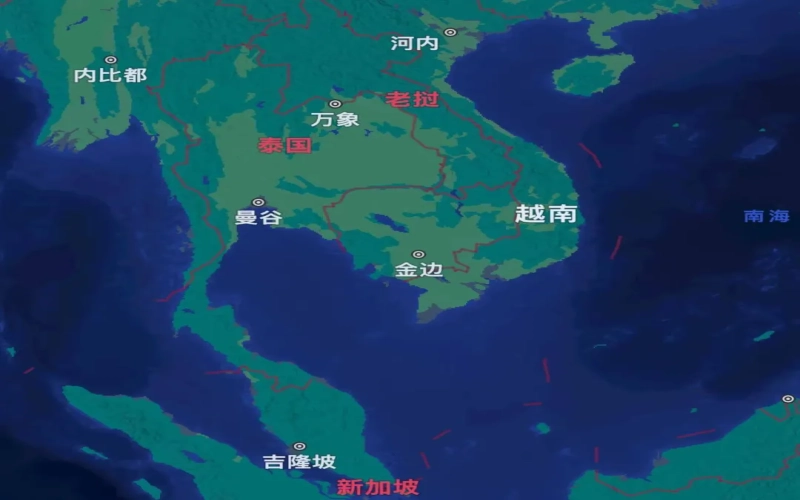
A Comprehensive Analysis of Vietnam's Coffee Regions: Growing Conditions, Variety Distribution, and Grading System
Vietnam is the world's second-largest coffee producer, renowned for its Robusta beans. With its unique tropical monsoon climate and long, narrow S-shaped terrain, this Southeast Asian country has nurtured three distinctive coffee regions: the Central Highlands, the South, and the North. The Central Highlands alone accounts for about 70% of the nation's Robusta output, while the high-altitude areas of the North sporadically cultivate Arabica varieties such as Bourbon and Catimor. Front Street Coffee takes you on a deeper look into Vietnam's coffee-growing environment, variety distribution, and grading standards, unveiling the terroir secrets behind this coffee powerhouse. [more…]

A Complete Guide to African Coffee-Producing Countries: From Ethiopia to Tanzania, a Specialty Flavor and Origin Guide
Africa, as the continent of coffee's origin, nurtures coffee beans with highly distinctive flavors thanks to its unique climate and terrain. From Ethiopia's Yirgacheffe to Kenya's AA grade, and from Yemen's Mocha to Tanzania's Kilimanjaro, each producing region displays alluring fruit acidity and regional character. This article systematically reviews the cultivation history, varieties, processing methods, and flavor characteristics of Africa's major coffee-producing countries, and includes information on various cooperatives and representative bean lots, making it suitable for coffee enthusiasts who want an in-depth understanding of the full picture of African specialty coffee. [more…]
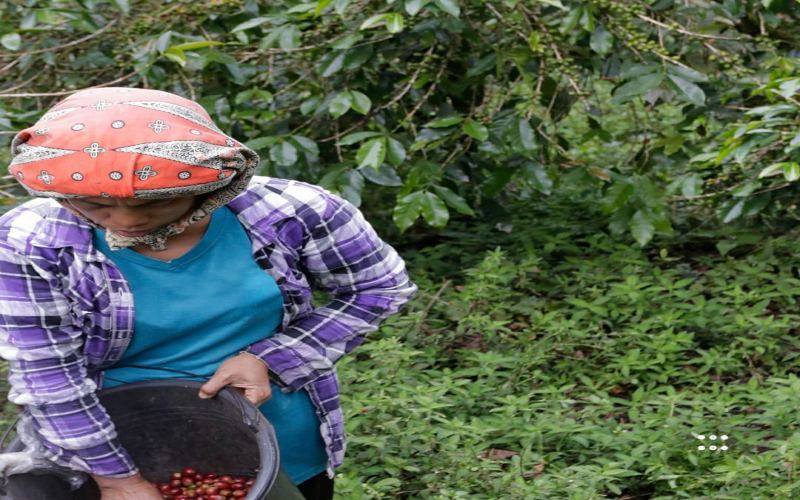
Exploring Indonesian Coffee Origins: A Comprehensive Analysis of Java Island's Coffee Cultivation History and Growing Region Distribution
Indonesia is the world's fourth-largest coffee producer, made up of more than seventeen thousand islands, with its coffee-growing regions divided by island. Java, as the country's earliest coffee-growing area, has a long history of coffee cultivation and exceptional natural conditions. This article will guide you through the origins and development of Indonesian coffee, outline the characteristics of the main island regions such as Sumatra and Java, and take a closer look at Java's geographical environment, cultivation distribution, and main varieties, while also sharing information on the Indonesian Lintong Mandheling everyday drinking beans recommended by Front Street Coffee. [more…]